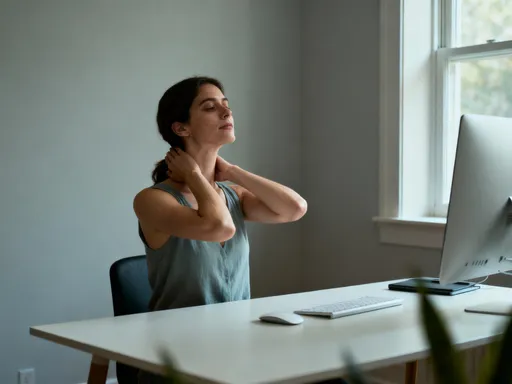
Neck Health Unlocked: My Real Journey to Everyday Relief and Strength
You know that stiff, nagging pain in your neck after a long day? I did too—until I started paying attention. Millions suffer from neck discomfort, often dismissed as "just stress" or "part of aging." But ignoring it can lead to headaches, poor posture, and even long-term strain. This is more than comfort; it’s about protecting your mobility and well-being. Here’s how I took control—one smart habit at a time.
The Hidden Toll of Neck Neglect
Neck pain is no longer an occasional nuisance—it has become a widespread health concern, particularly in modern, screen-driven lifestyles. According to global health studies, cervical spine issues affect up to 70% of adults at some point in their lives, with increasing prevalence among individuals who spend long hours at desks or using handheld devices. The neck, or cervical spine, consists of seven small vertebrae that support the head, facilitate movement, and protect the spinal cord. Its delicate structure makes it vulnerable to strain, yet its role in overall physical function is profound. When neglected, even minor tension can escalate into chronic discomfort.
Common symptoms include stiffness upon waking, persistent tightness at the base of the skull, and reduced ability to turn the head comfortably. These may seem minor at first, but over time, they interfere with concentration, disrupt sleep, and diminish quality of life. Many people adapt unconsciously—tilting their heads, raising their shoulders, or leaning forward—without realizing these compensations increase strain. What begins as mild soreness can evolve into recurring headaches, shoulder pain, and even numbness in the arms due to nerve compression. The impact is not just physical; ongoing discomfort can contribute to irritability, fatigue, and reduced productivity.
The danger lies in normalization. Because neck pain develops gradually and often coincides with daily routines like working or scrolling, it’s easy to dismiss as inevitable. Yet, allowing it to persist without intervention risks long-term structural changes, such as forward head posture or disc degeneration. Recognizing the early signs and understanding the importance of cervical health is the first step toward prevention. The neck is not meant to bear constant stress—it thrives on balance, movement, and proper alignment. By acknowledging its vulnerability, we can begin to treat it with the care it deserves.
Why Your Neck Is Under Attack (And You Don’t Notice)
Modern life has quietly turned everyday activities into sources of cervical strain. The primary culprits? Poor posture, prolonged screen use, and sedentary behavior. When seated at a desk, many people lean forward, crane their necks toward monitors, or hunch over laptops—positions that seem harmless but place excessive load on the cervical spine. For every inch the head moves forward from its neutral position, the effective weight on the neck increases significantly. In fact, research shows that tilting the head just 15 degrees forward can double the strain on neck muscles, and at 60 degrees—common when looking down at a phone—the load can reach up to 60 pounds.
This phenomenon, often called "text neck," illustrates how small, repeated postural habits accumulate into long-term damage. Remote work has amplified the issue, with many people setting up makeshift workstations on couches or dining tables that lack ergonomic support. A monitor placed too low, a chair without lumbar support, or a keyboard positioned too far away all contribute to misalignment. Even brief moments of poor posture, repeated throughout the day, create micro-stresses that the body struggles to recover from without conscious intervention.
Beyond workspace setup, lack of movement plays a critical role. The human body is designed for motion, yet many spend hours in static positions, allowing muscles to tighten and joints to stiffen. Without regular breaks to reset posture and stretch, the neck’s supporting muscles weaken while the tension-bearing muscles overwork. This imbalance sets the stage for chronic discomfort. Additionally, emotional stress often manifests physically, leading to unconscious shoulder elevation and jaw clenching—further straining the cervical region. These factors don’t operate in isolation; they compound, creating a cycle of strain that many don’t recognize until symptoms become hard to ignore.
Listening to Your Body: Early Signs You Can’t Ignore
The body communicates distress long before pain becomes severe, but many overlook these early warnings. Subtle signals such as frequent shoulder tightness, tension in the jaw, or headaches that originate at the base of the skull are often the first indicators of cervical strain. Tingling or mild numbness in the arms, especially when sitting or sleeping, may suggest nerve irritation caused by compressed discs or tight muscles. Even changes in balance or dizziness, though less common, can be linked to neck dysfunction when joint or muscle imbalances affect sensory input to the brain.
Learning to recognize these signs requires mindfulness. For years, I attributed my morning stiffness and occasional headaches to lack of sleep or stress. It wasn’t until I began tracking patterns—logging when discomfort occurred, what activities preceded it, and how it responded to rest—that I noticed clear correlations. Working late at my laptop consistently led to tighter muscles the next day. Holding my phone between my ear and shoulder during calls triggered sharp pain on one side. These observations allowed me to identify specific triggers and make targeted changes.
Self-monitoring doesn’t require medical expertise—just attention. Noticing when your shoulders creep up toward your ears, when your neck feels warm or tense, or when turning your head becomes slightly restricted can provide valuable insight. Journaling symptoms, even briefly, helps distinguish between temporary fatigue and developing issues. Early awareness is powerful; it enables preventive action before minor strain evolves into persistent dysfunction. The goal isn’t to become hyper-vigilant about every ache, but to cultivate a responsive relationship with your body—one that honors its limits and supports its healing capacity.
Smart Posture: Not Just Sitting Up Straight
Posture is often misunderstood as simply “sitting up straight,” but true alignment is dynamic, not rigid. It involves maintaining a balanced relationship between the head, spine, and pelvis throughout movement and stillness. The ideal seated posture positions the ears directly over the shoulders, the shoulders over the hips, and the feet flat on the floor. The lower back should retain its natural inward curve, supported by a chair with proper lumbar contouring. A monitor should be at or slightly below eye level, about an arm’s length away, to prevent downward gaze and forward head tilt.
Small adjustments can make a significant difference. Elevating a laptop with a stand or books, using an external keyboard and mouse, and ensuring armrests allow elbows to rest at 90 degrees all promote better alignment. If using a phone, holding it at eye level instead of looking down reduces cervical load. Standing desks, used intermittently, offer another layer of support by encouraging shifts in position and reducing prolonged sitting. Even brief standing breaks every 30 minutes help reset posture and relieve muscle fatigue.
Equally important is avoiding the trap of overcorrection. Forcing an unnaturally stiff posture can lead to muscle fatigue and discomfort. Instead, think of posture as a series of gentle, frequent adjustments—shifting weight, taking micro-stretches, and repositioning every so often. Movement is key; even subtle shifts, like rolling the shoulders back or gently tucking the chin, engage stabilizing muscles and prevent stagnation. The goal is not perfection, but consistency in mindful alignment. Over time, these small choices train the body to find balance naturally, reducing the strain that accumulates from prolonged misalignment.
Daily Movement as Medicine
One of the most effective ways to support neck health is regular, intentional movement. The body thrives on motion, and the cervical spine is no exception. Prolonged stillness allows muscles to tighten and joints to stiffen, increasing susceptibility to strain. Incorporating short movement breaks every 30 to 60 minutes interrupts this cycle and promotes circulation, lubrication of joints, and muscle relaxation. These breaks don’t need to be long—just 60 to 90 seconds of gentle motion can make a meaningful difference.
Simple, science-backed exercises can be done almost anywhere. The chin tuck, for example, strengthens the deep neck flexors and counters forward head posture. To perform it, sit upright and gently glide the head straight backward, keeping the eyes level—imagine making a “double chin” without tilting the head up or down. Shoulder rolls, performed slowly in both directions, release tension in the trapezius and upper back. Lateral neck stretches, where the ear is brought gently toward the shoulder, help lengthen tight side muscles. Isometric exercises—pressing the hand against the forehead, back of the head, or sides of the skull while resisting movement—build endurance without straining joints.
Integrating these movements into daily routines enhances consistency. Stretching while on a phone call, doing chin tucks during TV commercials, or rolling the shoulders while waiting for the kettle to boil turns self-care into habit. The key is frequency, not intensity. Gentle, repeated motion is more effective than occasional vigorous stretching, which can sometimes trigger muscle guarding. Over time, these micro-movements retrain muscle memory, improve range of motion, and reduce the baseline level of tension. Movement isn’t just a remedy—it’s a daily investment in resilience.
Strengthening the Unsung Muscles
While stretching provides relief, long-term neck health depends on strength—particularly in the deep stabilizing muscles that are often overlooked. The deep neck flexors, located along the front of the cervical spine, play a crucial role in maintaining proper head alignment. When weak, they allow the head to drift forward, increasing strain on the back of the neck. Similarly, the muscles of the upper back—such as the rhomboids and lower trapezius—support shoulder positioning and prevent rounding, which indirectly reduces neck tension.
Building endurance in these muscles doesn’t require equipment or gym access. Towel resistance exercises, for instance, are effective and accessible. To strengthen the deep neck flexors, wrap a towel around the back of the head and hold the ends in front. Gently press the head into the towel while using the hands to provide light resistance. Perform this isometrically for 10 to 15 seconds, repeating several times a day. Scapular squeezes—pulling the shoulder blades together and down while seated or standing—activate the mid-back muscles and can be done discreetly throughout the day.
Consistency is essential, as these small muscles respond best to frequent, low-load training. Unlike larger muscle groups, they fatigue quickly but recover fast, making short daily sessions ideal. Over time, improved strength allows the body to maintain alignment with less effort, reducing reliance on external supports like pillows, braces, or massage. Stronger stabilizers also enhance coordination and joint control, lowering the risk of injury during everyday movements. By shifting focus from passive relief to active support, you empower your body to sustain better posture naturally.
Sleep, Stress, and the Bigger Picture of Neck Wellness
Neck health extends beyond waking hours—it is deeply influenced by sleep quality, stress levels, and breathing patterns. During sleep, the neck should remain in a neutral position, supported by a pillow that maintains the natural curve of the cervical spine. Pillows that are too high or too flat can tilt the head unnaturally, leading to stiffness upon waking. Side sleepers benefit from thicker pillows that fill the space between the shoulder and neck, while back sleepers need moderate support to prevent overextension. Memory foam or contoured pillows often provide better alignment than soft, flat ones.
Sleep position matters as well. Stomach sleeping, though common, forces the neck into prolonged rotation, increasing strain on joints and muscles. Transitioning to side or back sleeping, even gradually, can significantly improve morning comfort. Creating a wind-down routine—dimming lights, avoiding screens, and practicing gentle stretching—signals the body to relax, reducing nighttime muscle tension.
Equally important is managing daily stress, which often manifests as physical tension. Chronic stress activates the sympathetic nervous system, leading to shallow breathing, elevated shoulders, and jaw clenching—all of which burden the neck. Incorporating relaxation techniques such as diaphragmatic breathing, mindfulness, or progressive muscle relaxation helps counteract this response. Deep, slow breaths engage the diaphragm and promote relaxation of the upper chest and neck muscles. Over time, reducing overall tension levels supports cervical stability and decreases the frequency of flare-ups. Neck wellness is not isolated—it is part of a holistic system where physical, emotional, and behavioral factors intersect.
Putting It All Together: A Sustainable Plan for Long-Term Care
Protecting neck health is not about quick fixes or isolated actions—it requires a consistent, integrated approach. The most effective strategy combines awareness, alignment, movement, and strength. Start by assessing your daily habits: evaluate your workspace, observe your posture, and note when discomfort arises. Make small, sustainable changes—adjust your monitor height, take movement breaks, and practice chin tucks regularly. These actions, though simple, build a foundation of support over time.
Create a personalized routine that fits your lifestyle. For example, set reminders to stand and stretch every hour, perform a few strengthening exercises during morning or evening routines, and choose a supportive pillow for better sleep. Consistency matters more than intensity; even two minutes of mindful movement several times a day can yield significant benefits. Track your progress not by the absence of pain alone, but by improved mobility, reduced stiffness, and greater body awareness.
When symptoms persist despite self-care, seeking guidance from a physical therapist or healthcare provider is a wise step. Professionals can assess alignment, identify muscle imbalances, and provide tailored exercises. However, the goal is not dependence on treatment, but empowerment through knowledge and habit. Neck health is a lifelong commitment—one that honors the body’s need for balance, movement, and care. By listening to your body, making informed choices, and embracing small, daily actions, you build resilience that supports not just your neck, but your overall well-being. This is not just relief—it’s lasting strength.