How I Finally Found My Balance — And Why It Changed Everything
You don’t realize how much balance affects your life until you start losing it. It’s not just about standing on one foot — it’s about stability in movement, confidence in your body, and preventing falls before they happen. I used to wobble getting off the couch. Then I dug into the science, tested small daily habits, and saw real changes. This isn’t about extreme workouts or magic fixes. It’s about retraining your body in simple, proven ways. Let me show you how better balance quietly transforms overall health.
The Hidden Role of Balance in Everyday Life
Beyond athletic performance or graceful movement, balance is a fundamental pillar of physical function that most people overlook—until it starts to fade. It’s not reserved for yoga instructors or elite athletes; it’s essential for everyone, especially as the years pass. Balance refers to the body’s ability to maintain its center of gravity over its base of support, whether standing still, walking, or reaching for an item on a high shelf. This seemingly automatic skill influences nearly every daily action: stepping off a curb, turning quickly, carrying a laundry basket up the stairs, or simply rising from a chair. Without adequate balance, these routine tasks become unstable, requiring extra effort and increasing the risk of missteps.
Signs of declining balance often go unnoticed in the early stages because they appear minor or are dismissed as normal aging. For instance, someone might begin shuffling their feet instead of lifting them fully while walking, unconsciously trying to stay grounded. Others may rely on walls, furniture, or handrails more than before, even when not visibly unsteady. Holding onto the countertop while putting on socks or hesitating before stepping into the shower are subtle indicators that the body is compensating for reduced stability. These behaviors may seem harmless, but they signal that the neuromuscular system is no longer functioning optimally.
The long-term consequences of untreated balance decline are significant. The most immediate risk is falling, which remains a leading cause of injury among adults over 50. Falls can lead to fractures, particularly in the hip and wrist, and may result in prolonged recovery, loss of independence, or reduced mobility. Even without injury, repeated near-falls can create a fear of movement, leading individuals to limit physical activity. This avoidance triggers a downward spiral: less movement leads to weaker muscles and stiffer joints, which further impairs balance. Over time, joint strain increases due to uneven weight distribution, potentially accelerating conditions like osteoarthritis. Thus, balance is not just about preventing accidents—it’s about preserving mobility, confidence, and quality of life.
Why Modern Life Is Killing Our Balance
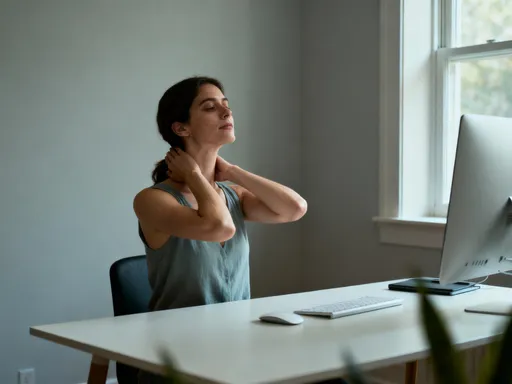
Modern lifestyles, while convenient, are surprisingly detrimental to natural balance. One of the primary culprits is prolonged sitting. Many adults spend hours each day seated—at desks, in cars, or on sofas—limiting the variety of movements their bodies experience. This sedentary pattern weakens the core, glutes, and lower leg muscles, all of which are critical for stability. When muscles are underused, they lose strength and responsiveness, making it harder for the body to correct small shifts in posture. Additionally, sitting restricts blood flow and reduces sensory input from the feet and legs, dulling the feedback loop necessary for balance.
Another factor is the uniformity of our environments. Most people walk on flat, predictable surfaces like pavement, tile, or carpet. While this consistency feels safe, it deprives the body of the varied terrain that once naturally trained balance. In natural settings—such as grass, gravel, or uneven ground—the feet and ankles constantly make micro-adjustments to maintain stability. These subtle corrections strengthen proprioception, the body’s internal sense of position and movement. Without regular exposure to such challenges, this system becomes less sensitive over time, much like a muscle that isn’t exercised. Even footwear plays a role: many modern shoes feature thick, cushioned soles that limit foot sensitivity and alter natural gait patterns.
From childhood to adulthood, natural movement patterns diminish significantly. Children often run, climb, jump, and play in unstructured ways that inherently develop coordination and balance. As people age, structured routines replace free movement, and physical education or outdoor play gives way to screen time and academic demands. This shift reduces opportunities to develop and maintain dynamic balance. Moreover, increased screen use affects posture and spatial awareness. Staring at a phone or computer for long periods encourages a forward head position and rounded shoulders, which disrupts the body’s alignment. This poor posture can interfere with the vestibular system in the inner ear and reduce the brain’s ability to process spatial cues, further compromising balance.
The cumulative effect of these modern habits is a gradual decline in stability that often goes unnoticed until a stumble or fall occurs. Unlike heart health or weight management, balance is rarely monitored or discussed in routine wellness checkups. Yet, it is just as vital to long-term health. Recognizing how daily routines contribute to imbalance is the first step toward reversing the trend. By reintroducing varied movement, mindful posture, and sensory-rich experiences, it’s possible to counteract the negative effects of modern living and restore a more natural, resilient sense of stability.
The Science Behind Balance: How Your Body Stays Upright
Maintaining balance is a complex, coordinated effort that relies on three primary systems working together: the vestibular system in the inner ear, the visual system, and the somatosensory system. Each plays a distinct role in helping the brain determine the body’s position in space and make constant adjustments to prevent falling. The vestibular system detects motion, head position, and spatial orientation through fluid-filled canals and sensory organs in the inner ear. When you turn your head or tilt forward, this system sends signals to the brain about acceleration and movement. The visual system contributes by providing information about the environment—what’s around you, how far surfaces are, and whether the ground is level. This visual input helps confirm or correct what the inner ear is sensing.
The somatosensory system, also known as proprioception, involves sensory receptors in the muscles, joints, and skin—especially in the feet and ankles. These receptors detect pressure, stretch, and joint position, giving the brain real-time feedback about how the body is positioned relative to the ground. For example, when standing on a sloped surface, the feet sense the angle, and the muscles automatically adjust to keep the body upright. Together, these three systems form a continuous feedback loop, constantly updating the brain on the body’s status. The brain then integrates this information and sends commands to the muscles to make subtle corrections—sometimes without conscious awareness.
Think of balance as a team effort: the vestibular system, vision, and somatosensory input are like three players on a team. If one player is impaired—such as when someone has an inner ear infection or poor eyesight—the others must compensate. However, if more than one system is weakened, the entire team struggles, increasing the risk of imbalance. This is why older adults who have reduced vision, joint stiffness, and age-related vestibular decline are more prone to falls. Yet, the body’s ability to adapt, known as neuroplasticity, means that even with age-related changes, balance can improve with training. The brain can learn to rely more heavily on the systems that remain strong, and muscles can become more responsive through practice.
While some decline in balance function is associated with aging, it is not inevitable or irreversible. Research shows that targeted exercises can enhance the communication between these systems and strengthen the muscles involved in stability. For instance, standing on one leg improves ankle strength and foot sensitivity, while head-turning movements while walking can sharpen vestibular function. Over time, consistent practice helps the brain process sensory information more efficiently, leading to smoother, more confident movement. Understanding this science empowers individuals to take proactive steps, knowing that balance is not fixed—it’s trainable.
Simple Tests to Check Your Current Balance Level
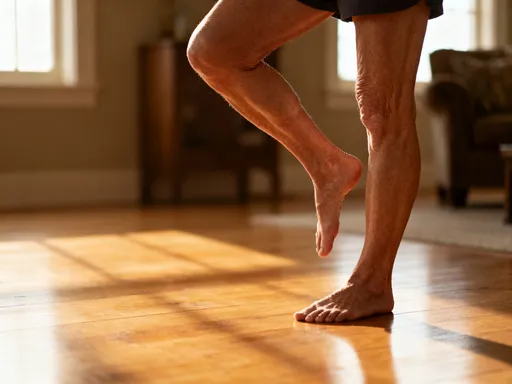
Assessing your balance at home can provide valuable insight into your current stability and help you track progress over time. These informal tests are not meant to replace professional medical evaluation but serve as practical tools for self-awareness. One of the most straightforward assessments is the single-leg stand. To perform this test, stand near a wall or sturdy surface for safety, lift one foot off the ground, and balance on the other leg. Use a timer to see how long you can hold the position without wobbling excessively or touching the lifted foot down. For most healthy adults, holding the stand for 20 to 30 seconds is considered a baseline level of stability. If you struggle to maintain balance for 10 seconds, it may indicate room for improvement.
Another useful test is the heel-to-toe walk, also known as the tandem gait test. Walk in a straight line, placing the heel of one foot directly in front of the toes of the other foot with each step, like walking on a tightrope. Take 10 to 20 steps and observe whether you feel steady or need to step out of line to regain balance. Difficulty with this task can reveal issues with coordination, core control, or inner ear function. A third assessment is the timed up-and-go test, which measures mobility and dynamic balance. Sit in a standard armchair, stand up, walk 10 feet (about 3 meters) at a normal pace, turn around, walk back, and sit down again. Time the entire sequence. Completing it in under 10 seconds is generally considered good, while times over 14 seconds may suggest balance or mobility concerns.
When performing these tests, it’s important to prioritize safety. Always conduct them near a counter, wall, or piece of furniture you can grab if needed. Avoid testing on slippery or uneven surfaces, and wear supportive, non-slip footwear or go barefoot on a safe floor. Do not attempt these assessments if you have acute dizziness, recent injuries, or known balance disorders without consulting a healthcare provider. The goal is not to achieve perfection but to build awareness. If you notice significant differences between sides—such as being able to stand much longer on one leg than the other—it may indicate muscle imbalances or asymmetrical strength that can be addressed with targeted practice.
Repeating these tests every few weeks can help monitor improvements. Many people find that with consistent daily habits, their performance gradually increases—holding the single-leg stand longer, walking more smoothly heel-to-toe, or completing the timed up-and-go faster. These small gains reflect real changes in neuromuscular control and confidence. While the results are not diagnostic, they can motivate action and highlight the importance of integrating balance training into everyday life. Awareness is the first step toward improvement, and these simple checks make it possible to start that journey at home.
Daily Habits That Build Better Balance (Without a Gym)
Improving balance doesn’t require special equipment, a gym membership, or hours of training. Small, consistent habits integrated into daily routines can produce meaningful results over time. The key is frequency—short, repeated challenges that stimulate the neuromuscular system throughout the day. One of the easiest ways to start is by standing on one leg while performing routine tasks, such as brushing your teeth. This simple act strengthens the ankle and foot muscles, enhances focus, and improves proprioception. Begin with 20 to 30 seconds on each leg and gradually increase as stability improves. Over time, this brief daily practice can lead to noticeable gains in steadiness.
Walking barefoot on safe, textured surfaces is another effective habit. When shoes are removed, the feet receive more sensory input from the ground, which enhances the somatosensory feedback crucial for balance. Walking on carpet, grass, or a textured mat activates the small muscles in the feet and improves foot strength and flexibility. This practice mimics the natural movement patterns humans evolved with and helps counteract the numbing effect of thick-soled footwear. For safety, ensure the surface is clean and free of sharp objects, and avoid barefoot walking if you have reduced sensation in your feet due to medical conditions.
Mindful use of stairs is another powerful opportunity to train balance. Instead of rushing up or down, focus on controlled movements—lifting each foot fully, engaging the glutes and core, and maintaining an upright posture. Avoid leaning heavily on the handrail unless necessary for safety. This practice strengthens the leg muscles, improves coordination, and builds confidence in dynamic balance. Similarly, standing during phone calls or while waiting for the kettle to boil turns idle moments into mini balance workouts. Simply shifting weight from one leg to the other or standing with feet together increases body awareness and engages stabilizing muscles.
Other practical habits include turning your head side to side while walking, which challenges the vestibular system, and practicing slow, deliberate movements when getting up from a chair. These small actions may seem insignificant, but their cumulative effect is substantial. Because balance is a skill that improves with repetition, the more often the body is exposed to slight challenges, the more efficiently the brain learns to respond. The goal is not intensity but consistency—building a foundation of stability through everyday choices. Over weeks and months, these habits lead to a more confident, capable body, better equipped to handle the physical demands of daily life.
Targeted Exercises That Actually Work
While daily habits lay the foundation, specific exercises can accelerate balance improvement by targeting key muscle groups and sensory systems. Four evidence-based movements—heel raises, side leg lifts, tai chi-inspired weight shifts, and standing marches—are particularly effective and accessible for most adults. Heel raises, also known as calf raises, strengthen the lower leg muscles essential for stability. To perform them, stand with feet hip-width apart, slowly rise onto the balls of your feet, hold for a second, then lower back down. Start with two sets of 10 repetitions and gradually increase. For added challenge, try doing them on one leg or near a step to increase range of motion.
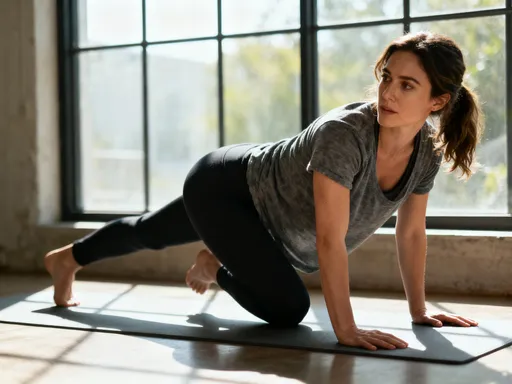
Side leg lifts target the hip abductors, which help stabilize the pelvis during walking and standing. Lie on your side with legs stacked, slowly lift the top leg to about hip height, hold briefly, then lower. Perform two sets of 10 on each side. This exercise improves lateral stability and reduces the risk of swaying from side to side. For those who prefer standing, the movement can be adapted by holding onto a chair and lifting one leg out to the side while keeping the torso upright.
Tai chi-inspired weight shifts are excellent for enhancing coordination and dynamic balance. Stand with feet shoulder-width apart, slowly shift your weight onto the right foot while lifting the left foot slightly, then shift to the left and lift the right. Move slowly and deliberately, focusing on smooth transitions. This exercise mimics the flowing movements of tai chi, which research has shown to significantly reduce fall risk in older adults. It trains the body to shift weight confidently and improves postural control.
Standing marches involve lifting each knee toward the chest while maintaining an upright posture. Hold onto a chair if needed and march in place for 30 to 60 seconds. This movement engages the core, improves hip mobility, and enhances coordination between upper and lower body. Over time, regular practice leads to a steadier gait, improved posture, and reduced sway during daily activities. For best results, aim for 5 to 10 minutes of targeted exercises daily, combining them with the small habits described earlier. Progress gradually—start with easier versions and increase difficulty as strength and confidence grow. The improvements may be subtle at first, but over weeks, many people report feeling more secure on their feet, more agile in movement, and more confident in their physical abilities.
When to Seek Professional Guidance
While balance training is beneficial for most people, certain symptoms warrant professional evaluation. Frequent stumbling, unexplained dizziness, or a sensation of spinning with head movements may indicate an underlying vestibular disorder, neurological issue, or inner ear problem. If balance worsens suddenly or is accompanied by vision changes, confusion, or weakness in the limbs, it’s important to consult a healthcare provider promptly. These red flags should not be ignored, as they may signal conditions that require medical diagnosis and treatment.
A physical therapist, especially one trained in vestibular rehabilitation, can provide a comprehensive assessment and personalized exercise program. They can identify specific deficits in strength, coordination, or sensory processing and design interventions to address them safely. For individuals recovering from injury, surgery, or illness, professional guidance ensures that balance training is appropriate and effective. Additionally, those with chronic conditions such as Parkinson’s disease, multiple sclerosis, or peripheral neuropathy can benefit from supervised programs tailored to their needs.
It’s important to understand that balance exercises complement medical care but do not replace it. While many people can improve stability through self-directed practice, professional support enhances safety and effectiveness, particularly for those with existing health concerns. A healthcare provider can also rule out medication side effects—such as dizziness from blood pressure drugs—that may contribute to imbalance. With the right support, improvement is possible at any age. The body’s ability to adapt means that even individuals who have struggled with balance for years can make meaningful progress through consistent, guided training.
Better balance isn’t about perfection — it’s about confidence, control, and long-term resilience. These small steps add up to a more stable, capable body. Start where you are, stay consistent, and let your body adapt naturally.