Flexible for Life: How I Transformed My Body’s Mobility—And Why It Matters
Ever feel stiff when you wake up? Like your body’s speaking a different language than it used to? I’ve been there. After years of desk work and skipping stretches, I lost serious mobility. But through consistent, science-backed flexibility training, I regained fluid movement and daily comfort. This isn’t about touching your toes—it’s about reclaiming freedom in every motion. Let me walk you through how small, daily choices can lead to real, lasting improvements in how your body functions and feels. The journey back to flexibility isn’t dramatic or flashy, but it is deeply transformative. It’s not reserved for the young or naturally agile. It’s accessible to anyone willing to listen to their body and make space for movement in their day.
The Hidden Cost of Stiffness
Stiffness is more than a minor annoyance—it’s a quiet signal that your body is losing its natural range of motion. Many people dismiss morning stiffness as a normal part of aging, but it’s often the result of lifestyle patterns that go unchallenged for years. Sitting for long hours, especially at a desk or in front of a screen, causes muscles to shorten and tighten, particularly in the hips, hamstrings, and shoulders. Over time, this reduced mobility affects posture, making it harder to stand tall or move with ease. The body compensates by shifting stress to other joints, which can lead to discomfort in the lower back, knees, or neck.
Imagine trying to bend down to tie a shoe and feeling like your back is made of wood. Or reaching into the backseat of the car and realizing you can’t turn your torso without discomfort. These everyday movements should not require effort or cause pain. Yet, for many adults, they do. Poor flexibility doesn’t just limit physical performance—it impacts quality of life. Simple pleasures like playing with grandchildren, gardening, or dancing at a family gathering become harder when your body resists movement. The loss of mobility often happens gradually, so it’s easy to overlook until it significantly affects daily routines.
Despite its importance, flexibility is frequently ignored in fitness discussions. Most exercise programs emphasize strength or cardiovascular health, leaving mobility as an afterthought. But without adequate flexibility, strength gains can be limited, and the risk of injury increases. Tight muscles are less efficient, more prone to strain, and slower to recover. Joint health also suffers because restricted movement reduces circulation to connective tissues. The cartilage in joints, for example, relies on movement to receive nutrients through synovial fluid. When motion is limited, this lubrication process slows, potentially accelerating wear and tear over time. Addressing stiffness isn’t just about comfort—it’s a preventive measure for long-term joint and muscle health.
Why Flexibility Is More Than Just Stretching
Many people equate flexibility with stretching, but the two are not the same. Stretching is one tool, while flexibility is the body’s overall ability to move freely through a full range of motion. True flexibility involves more than just lengthening muscles—it includes the health of connective tissues like tendons and fascia, as well as the nervous system’s control over muscle tension. When someone holds a static stretch, they’re not only lengthening muscle fibers but also training the nervous system to allow greater relaxation in those tissues. This neuromuscular component is why flexibility improves with consistency, not force.
Functional flexibility goes beyond how far you can reach or how low you can squat. It’s about how well your body moves during real-life activities. For example, being able to lift a heavy grocery bag from the floor without straining requires not just strength but the ability to hinge at the hips with a neutral spine—a movement that depends on hamstring and hip flexibility. Similarly, reaching overhead to place an item on a high shelf demands shoulder mobility and thoracic spine extension. If these movements are restricted, the body compensates by using other joints or muscles in ways they’re not designed for, increasing the risk of overuse or injury.
Sedentary lifestyles degrade tissue quality over time. When muscles are inactive for long periods, the fascia—the web-like connective tissue surrounding muscles—can become stiff and less pliable. This is sometimes referred to as “glueing” of the tissues, where layers that should slide smoothly over one another begin to adhere. The result is reduced glide between muscle groups, leading to that familiar feeling of tightness. This is why simply stretching once in a while isn’t enough. The body needs regular, varied movement to maintain tissue elasticity. Dynamic movements, controlled range-of-motion exercises, and consistent loading at different angles all contribute to healthier, more responsive tissues. Flexibility, in this sense, is not a passive state but an active, maintained quality of the musculoskeletal system.
The Science Behind Mobility Gains
Flexibility training produces measurable changes in the body, supported by scientific research. One of the most immediate benefits is improved circulation. When muscles are stretched, blood flow increases to those areas, delivering oxygen and nutrients while helping remove metabolic waste. This enhanced circulation supports tissue repair and reduces the buildup of substances that contribute to stiffness and soreness. Over time, regular stretching can lead to structural changes in muscle and connective tissue, including increased sarcomeres—the basic units of muscle fibers—which allow muscles to lengthen more effectively.
Joint health also improves with consistent mobility work. Joints rely on movement to stay lubricated. The synovial fluid within joints acts like oil in a hinge, reducing friction and protecting cartilage. When movement is limited, this fluid doesn’t circulate as well, leading to stiffness and increased wear. Flexibility exercises, especially those that take joints through their full range of motion, help pump this fluid and maintain joint resilience. Studies have shown that individuals who engage in regular stretching routines experience less joint pain and greater functional mobility, particularly in weight-bearing joints like the knees and hips.
The nervous system plays a crucial role in flexibility. Muscles are equipped with sensory receptors, such as the muscle spindles and Golgi tendon organs, that monitor tension and length. When a stretch is held for a sustained period—typically 30 seconds or more—the nervous system begins to adjust its perception of what is safe, allowing the muscle to relax further. This is known as autogenic inhibition. Over time, with repeated exposure, the nervous system recalibrates its baseline, permitting greater range of motion without triggering protective tension. This explains why flexibility gains are gradual and why consistency matters more than intensity. Pushing too hard can activate protective reflexes, causing muscles to tighten rather than release.
Additionally, flexibility training has been linked to reduced muscle tension and lower levels of stress hormones like cortisol. Chronic muscle tightness is often associated with stress, as the body’s natural response to anxiety includes muscle guarding and increased tone. Gentle, mindful stretching can activate the parasympathetic nervous system, promoting relaxation and reducing overall tension. This mind-body connection makes flexibility not just a physical practice but a form of self-care that supports mental well-being. The science is clear: flexibility is not a luxury—it’s a functional necessity supported by physiological and neurological adaptations.
Common Myths That Hold People Back
Several myths about flexibility prevent people from starting or continuing a mobility practice. One of the most persistent is the belief that “I’m too old to get flexible.” This couldn’t be further from the truth. While it’s true that tissue elasticity naturally declines with age, research consistently shows that flexibility can be improved at any stage of life. Older adults who begin stretching programs often see significant gains in range of motion, balance, and functional ability. The body remains adaptable, and consistent effort yields results regardless of age. The key is to start where you are and progress gradually, not to compare yourself to others or to your younger self.
Another common misconception is that stretching prevents all injuries. While improved flexibility can reduce the risk of certain types of muscle strains, it’s not a guarantee against injury. Some studies have even found that static stretching before intense activity may temporarily reduce muscle strength and power. The timing and type of stretching matter. Dynamic stretching—such as leg swings or arm circles—is more appropriate as a warm-up because it prepares muscles for movement without reducing performance. Static stretching is better suited for after exercise or during separate mobility sessions. Flexibility is just one component of injury prevention; strength, coordination, and proper technique are equally important.
Some people believe that being flexible means being “double-jointed” or able to perform extreme movements. In reality, hypermobility—a condition where joints move beyond the normal range—is not the same as functional flexibility. Hypermobility can actually increase the risk of joint instability and injury if not supported by adequate muscle strength. True flexibility is about balance—having enough range of motion to move freely while maintaining joint control and stability. It’s not about how far you can stretch, but how well you can use your range. A person with moderate flexibility and strong, stable joints is often more resilient than someone who is extremely flexible but lacks control.
There’s also a myth that you need to stretch for hours every day to see results. In fact, short, consistent sessions are more effective than infrequent, long ones. Just 10 to 15 minutes a day can lead to meaningful improvements over time. The body responds to repetition and consistency, not duration in a single session. Another false belief is that flexibility is only for athletes or yogis. On the contrary, it’s essential for everyone, especially those with sedentary jobs or limited physical activity. Dispelling these myths is crucial to making flexibility training accessible and sustainable for all.
Building a Sustainable Flexibility Routine
Creating a lasting flexibility practice starts with simplicity and integration. The most effective routines are those that fit naturally into daily life, not ones that feel like another chore. A sustainable approach includes three key elements: frequency, duration, and variety. Aim to move your body with intention at least five days a week, even if it’s for just a few minutes. Consistency is more important than perfection. Over time, these small efforts compound, leading to noticeable improvements in how your body feels and functions.
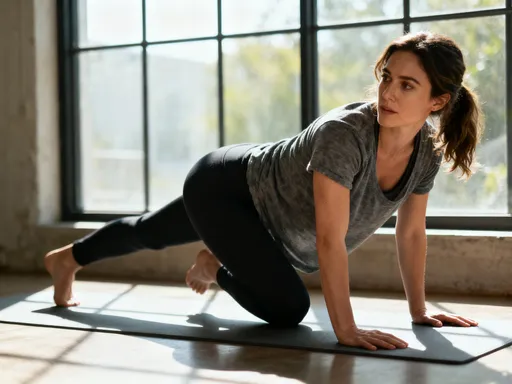
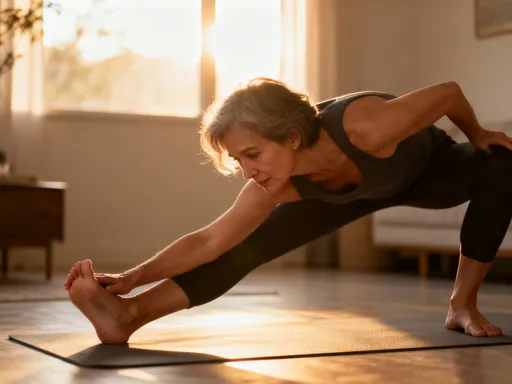
Begin with a mix of dynamic and static movements. Dynamic stretches, such as cat-cow motions, leg swings, or torso rotations, are ideal for waking up the body in the morning or before physical activity. They increase blood flow and prepare muscles for movement without overstressing them. Static stretches, where a position is held for 20 to 30 seconds, are best done when the body is warm—after a walk, a shower, or at the end of the day. Focus on major muscle groups: hamstrings, hip flexors, glutes, shoulders, and spine. Hold each stretch gently, without forcing, and breathe deeply to encourage relaxation.
One of the most effective strategies is to attach flexibility exercises to existing habits. For example, do a few seated spinal twists while watching the evening news. Perform calf stretches while brushing your teeth. Use commercial breaks during TV time to stand up and reach your arms overhead. These micro-sessions add up and make mobility work feel effortless. Over time, they become automatic, like brushing your teeth or making your bed. The goal is not to carve out large blocks of time but to weave movement into the fabric of your day.
It’s also helpful to set realistic expectations. Flexibility gains are gradual. You may not notice changes from one day to the next, but over weeks and months, the difference becomes clear. Keep a simple journal or mental note of how certain movements feel—like getting out of a chair or bending to pick something up. These everyday markers are more meaningful than measuring how close your palms get to the floor. A sustainable routine is one that feels good, fits your life, and supports your long-term well-being.
Tools and Techniques That Actually Work
While flexibility training doesn’t require expensive equipment, certain tools can enhance the experience and effectiveness of your routine. A yoga mat provides cushioning and grip, making floor exercises more comfortable and safe. Resistance bands are versatile for assisted stretching—helping you deepen a hamstring stretch or improve shoulder mobility without strain. They also support active flexibility, where you use muscle control to move into a stretch, which builds strength within the range of motion.
Foam rolling is another evidence-based technique for improving tissue quality. It works by applying pressure to muscles and fascia, helping to release tension and improve blood flow. This process, known as self-myofascial release, can reduce muscle stiffness and increase range of motion when used before or after stretching. Focus on major areas like the calves, quads, IT bands, and upper back. Roll slowly and pause on tender spots, allowing the tissue to relax. Just 5 to 10 minutes a few times a week can make a noticeable difference.
PNF stretching, or proprioceptive neuromuscular facilitation, is a highly effective method often used in physical therapy. It involves a cycle of contraction and relaxation to increase flexibility. For example, in a hamstring stretch, you might gently push against a strap for 5 to 10 seconds, then relax and deepen the stretch. This technique leverages the nervous system’s response to muscle contraction, allowing for greater gains than passive stretching alone. While it’s often done with a partner, it can be adapted for solo practice using a wall or strap.
Mobility circuits—short sequences that combine stretching, strengthening, and joint movement—can also be highly effective. These might include movements like world’s greatest stretch, hip circles, or thoracic spine rotations. They address multiple areas of the body in a flowing sequence, promoting coordination and functional movement. The key is to choose techniques that feel sustainable and enjoyable. Equipment can help, but it’s not required. Bodyweight movements, mindful breathing, and consistent practice are the foundation of real progress.
From Stiffness to Strength: The Bigger Picture
Improved flexibility does more than reduce stiffness—it enhances overall physical health and daily vitality. One of the most significant benefits is reduced lower back pain, a common issue for many adults. Tight hamstrings, hip flexors, and glutes can all contribute to poor pelvic alignment, increasing stress on the lumbar spine. By restoring balance to these muscle groups, flexibility training helps alleviate pressure and improve posture. Many people report noticeable relief from chronic discomfort after just a few weeks of consistent practice.
Better balance is another outcome of improved mobility. As we age, maintaining stability becomes increasingly important for preventing falls and maintaining independence. Flexibility in the ankles, hips, and spine contributes to better coordination and body awareness. When joints can move freely, the body can adjust more quickly to changes in terrain or unexpected movements. This proprioceptive advantage is a key component of functional fitness, especially for older adults.
Flexibility also supports strength and athletic performance. Muscles that are tight or restricted cannot generate force efficiently. A full range of motion allows for more powerful, controlled movements in everyday activities and exercise. Whether you’re lifting groceries, climbing stairs, or gardening, having flexible, responsive muscles makes these tasks easier and safer. Endurance improves too, as unrestricted movement reduces energy waste and improves biomechanical efficiency.
Ultimately, flexibility is not an isolated goal but part of a holistic approach to well-being. It connects physical health with mental clarity and emotional resilience. The act of tuning in to your body, moving with intention, and honoring its needs fosters a deeper sense of self-awareness. It becomes a form of daily respect for your body’s capabilities and limits. By investing in flexibility, you’re not just improving how you move—you’re enhancing how you live. It’s a commitment to long-term freedom, comfort, and vitality. And that’s a promise worth keeping.